Proper pool maintenance is the key to keeping your swimming pool clean, safe, and enjoyable all year long. Without regular care, pools can quickly develop cloudy water, algae growth, equipment problems, and costly repairs. The good news is that with a consistent routine and the right approach, maintaining a pool doesn’t have to be complicated.
This guide walks you through all the essential steps of pool maintenance, from daily tasks to long-term care, so you can protect your investment and enjoy crystal-clear water.
Why Pool Maintenance Matters
Regular pool maintenance isn’t just about appearance—it directly affects water safety, swimmer comfort, and equipment lifespan. Neglecting even small tasks can lead to:
- Algae and bacteria growth
- Chemical imbalances that irritate skin and eyes
- Clogged filters and damaged pumps
- Expensive repairs or premature equipment failure
Consistent maintenance prevents problems before they start and keeps your pool operating efficiently.
Pool Maintenance Guide: 10 Steps To Keep Your Pool Clean and Clear Year-Round
Step 1: Skim and Remove Debris Frequently
One of the simplest but most important pool maintenance tasks is removing debris from the water’s surface.
What to do:
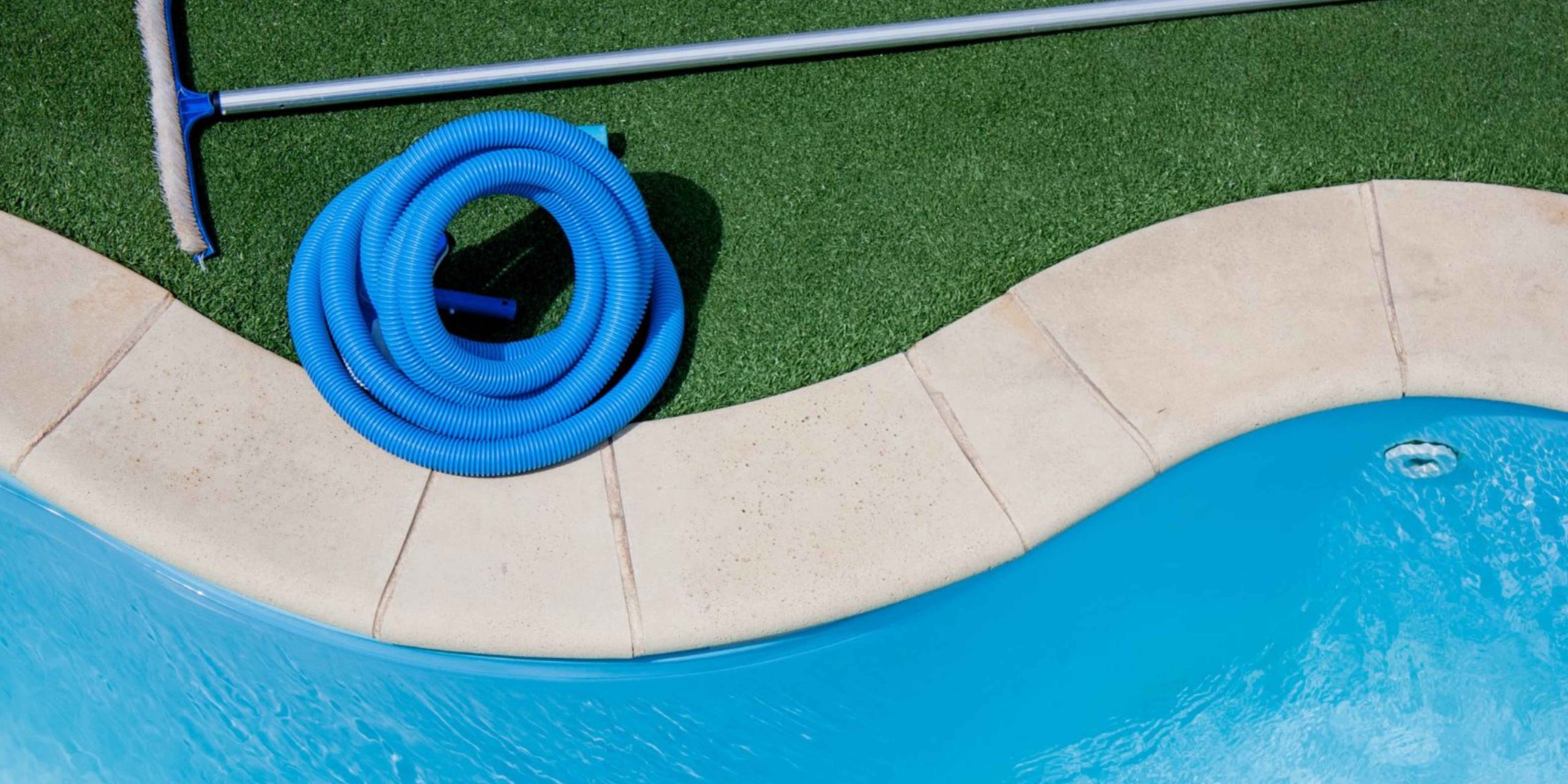
- Skim leaves, insects, and debris using a pool net
- Empty skimmer baskets regularly
- Check pump baskets for buildup
Removing debris early prevents it from sinking to the bottom, where it becomes harder to clean and can affect water chemistry.
Step 2: Brush Pool Walls and Steps
Brushing is essential for preventing algae and buildup on pool surfaces.
Focus on:
- Pool walls
- Steps and ladders
- Corners and waterline tiles
Brushing loosens dirt and algae so the filtration system can remove it more easily. For best results, brush at least once a week—more often during hot weather or heavy use.
Step 3: Vacuum the Pool
Vacuuming removes debris that settles on the pool floor and areas skimmers can’t reach.
Options include:
- Manual pool vacuums
- Automatic suction vacuums
- Robotic pool cleaners
Vacuuming should be done weekly or as needed, depending on debris levels and pool usage.
Step 4: Maintain Proper Water Chemistry
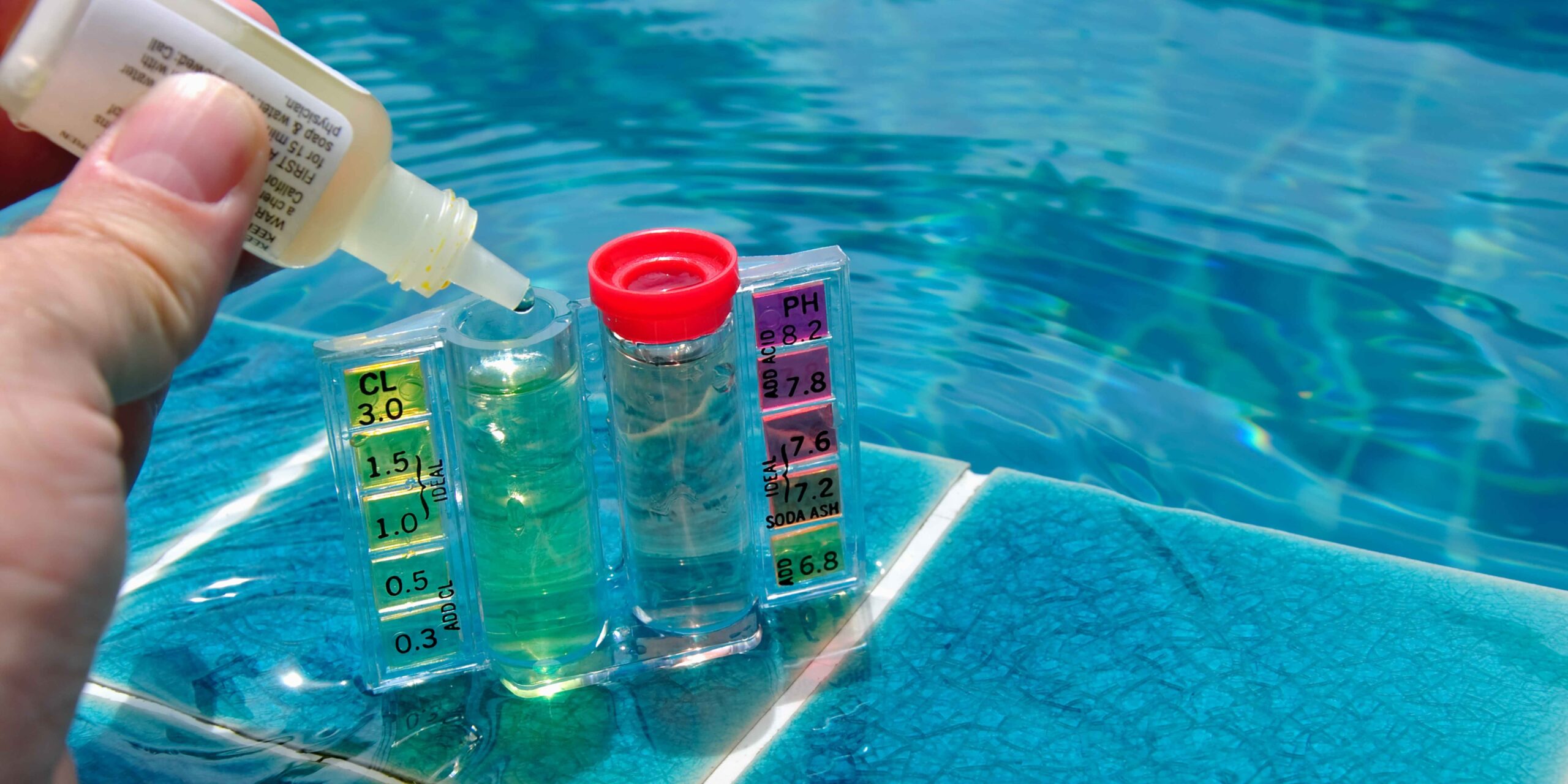
Balanced water is the foundation of effective pool maintenance. Poor chemistry leads to cloudy water, algae, and damage to pool surfaces and equipment.
Key levels to monitor:
- Chlorine: Kills bacteria and algae
- pH: Affects water comfort and chlorine efficiency
- Alkalinity: Helps stabilize pH
- Calcium hardness: Prevents corrosion and scale buildup
Test your pool water at least once a week and adjust chemicals as needed to keep everything within recommended ranges.
Step 5: Run the Pool Pump and Filter Daily
Your filtration system keeps water circulating and removes contaminants.
Best practices:
- Run the pump 8–12 hours per day (longer during summer)
- Ensure proper water flow
- Address unusual noises or pressure changes quickly
Consistent circulation prevents stagnant water and improves chemical effectiveness.
Step 6: Clean and Maintain the Pool Filter
A dirty filter can’t do its job effectively.
Filter maintenance by type:
- Cartridge filters: Rinse every few weeks; deep clean as needed
- Sand filters: Backwash when pressure rises
- DE filters: Backwash and recharge with DE powder
Cleaning your filter regularly improves water clarity and protects your pump.
Step 7: Shock the Pool When Needed
Shocking the pool helps eliminate organic contaminants and restore water clarity.
When to shock:
- After heavy pool use
- Following storms or debris buildup
- When water becomes cloudy or develops an odor
Shocking is an important reset step in any complete pool maintenance routine.
Step 8: Inspect Pool Equipment Regularly
Catching small issues early prevents expensive breakdowns.
Check:
- Pump and motor performance
- Filter pressure gauges
- Pool heater operation
- Valves and seals for leaks
Regular inspections help extend the life of your equipment and keep your pool running efficiently.
Step 9: Adjust Maintenance for Seasonal Changes
Pool maintenance needs change throughout the year.
Seasonal considerations:
- Increase cleaning and circulation during hot summer months
- Reduce run times during cooler periods
- Prepare properly for winter or extended closures
Adapting your routine to the season prevents unnecessary wear and keeps your pool in top condition.
Step 10: Consider Professional Pool Maintenance
While many homeowners handle basic pool maintenance themselves, professional service ensures nothing is missed.
Professional pool maintenance provides:
- Consistent water balance
- Thorough equipment inspections
- Time savings and peace of mind
- Fewer long-term repair costs
This is especially helpful for busy homeowners or pools with heavy use.
Final Thoughts on Pool Maintenance
Effective pool maintenance comes down to consistency, proper water chemistry, and regular cleaning. By following these steps, you can enjoy a clean, safe pool while protecting your equipment and avoiding costly problems.
Whether you manage your pool yourself or rely on professional service, maintaining a routine ensures your pool stays clear, comfortable, and ready to enjoy year-round.